TL;DR
Sri Guru Nanak Dev Ji in Asa Di Vaar contrasts the simmal tree — tall, thick, impressive from a distance, but bitter fruit, foul flowers, useless leaves — with the balancing scale, where the heavier side bows lower. The person who carries genuine substance bows down naturally. The person who demands others bow to them is the simmal tree: impressive in appearance, empty when approached. The Guru also warns: even bowing can be false, like the deer hunter who bends low to deceive. True humility is sweetness, not posture.
ਸਿੰਮਲ ਰੁਖੁ ਸਰਾਇਰਾ ਅਤਿ ਦੀਰਘ ਅਤਿ ਮੁਚੁ ॥ ਓਇ ਜਿ ਆਵਹਿ ਆਸ ਕਰਿ ਜਾਹਿ ਨਿਰਾਸੇ ਕਿਤੁ ॥ ਫਲ ਫਿਕੇ ਫੁਲ ਬਕਬਕੇ ਕੰਮਿ ਨ ਆਵਹਿ ਪਤ ॥ ਮਿਠਤੁ ਨੀਵੀ ਨਾਨਕਾ ਗੁਣ ਚੰਗਿਆਈਆ ਤਤੁ ॥ ਸਭੁ ਕੋ ਨਿਵੈ ਆਪ ਕਉ ਪਰ ਕਉ ਨਿਵੈ ਨ ਕੋਇ ॥ ਧਰਿ ਤਾਰਾਜੂ ਤੋਲੀਐ ਨਿਵੈ ਸੁ ਗਉਰਾ ਹੋਇ ॥ ਅਪਰਾਧੀ ਦੂਣਾ ਨਿਵੈ ਜੋ ਹੰਤਾ ਮਿਰਗਾਹਿ ॥
The simmal tree is straight as an arrow; very tall, very thick. The birds that come to it hopefully depart disappointed. Its fruits are tasteless, its flowers nauseating, its leaves useless. Sweetness and humility, O Nanak, are the essence of all virtue. Everyone bows down to himself; no one bows down to another. When weighed on the scale, the side that descends is the heavier one. The sinner bows down twice as much — like the deer hunter.
— Sri Guru Nanak Dev Ji, Asa Di Vaar, Ang 470
The tree that lures
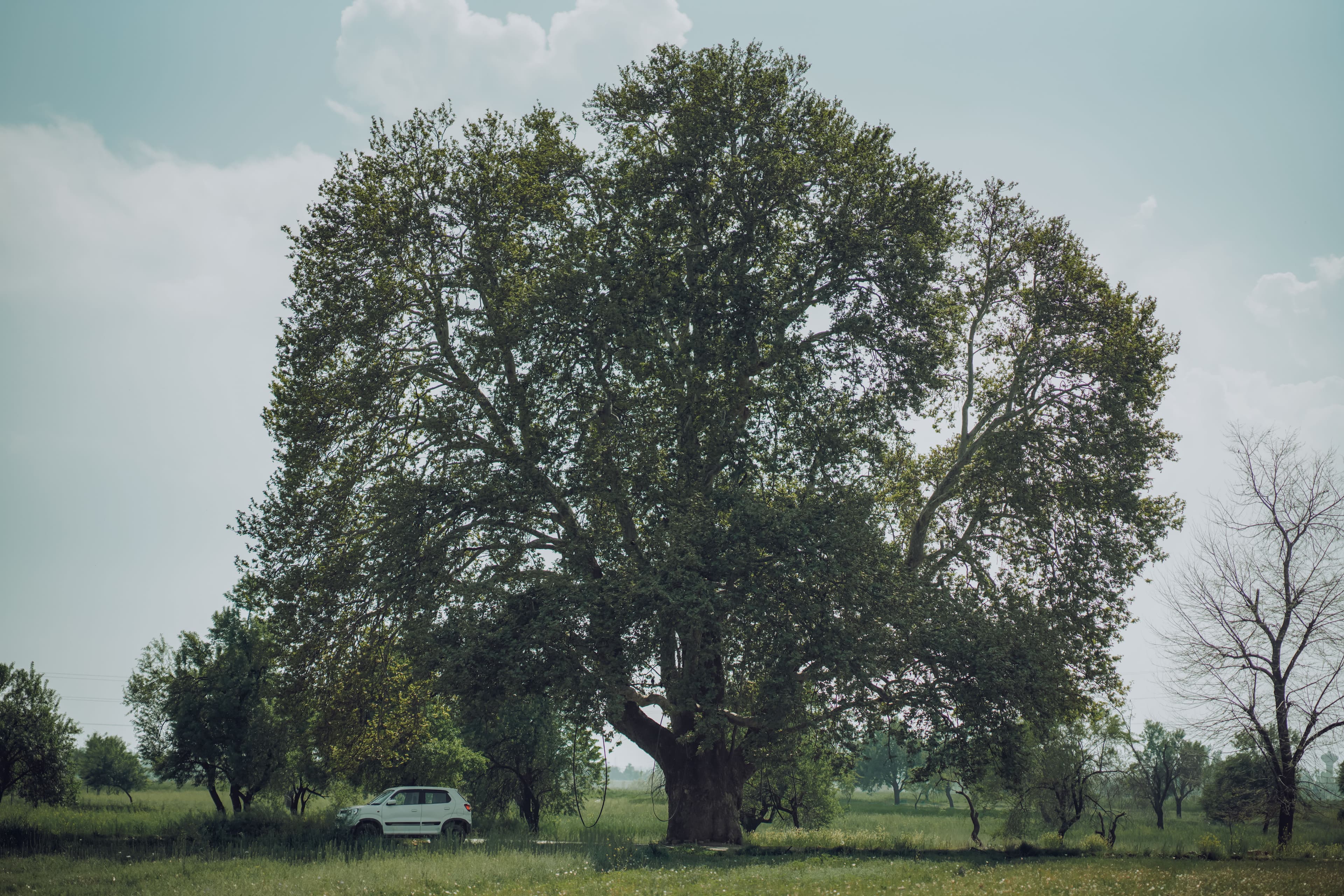
In Punjab, the simmal tree — the silk cotton tree — grows tall and straight. From a distance, it looks magnificent. Its trunk is thick, its height impressive, its presence commanding. Birds see it and fly toward it expecting shelter, fruit, rest.
When they arrive, they find a different reality. The fruit is bitter and dry. The flowers smell foul. The leaves provide no use. The tree's grandeur was real on the outside and empty on the inside. The birds depart hopeful no longer.
Sri Guru Nanak Dev Ji uses this tree as a mirror for a particular kind of person — and a particular kind of life.
The person who wants to be bowed to
Some people spend their lives growing tall. Building reputation. Accumulating titles. Demanding respect. Standing in rooms in a way that requires others to look up. Their goal is to become someone others must acknowledge, defer to, bow before.
From a distance, this looks like success. Up close, the Guru is naming what the birds discovered at the simmal tree: there is nothing to receive there. The fruit is bitter. The flowers smell wrong. The person's height was real, and useless.
The person who needs others to bow has not understood what bowing is for.
The scale that teaches the opposite
Then Sri Guru Nanak Dev Ji offers the opposite image. A balancing scale.
When you place something on a scale, the heavier side descends. The side with more substance, more weight, more density bows down. The light side rises. This is physics, but the Guru is using it as theology: the person with more inner weight bows down naturally. They do not need to be told to. They do not perform it. Their substance pulls them down toward humility in the same way mass pulls metal toward earth.
The simmal tree person is light and rises and demands others lower themselves. The scale person is heavy and bows and lifts others up.
This is the inversion. The world reads tallness as substance. The Guru reads bowing as substance. The world's reading is wrong.
The warning about false bowing
Then the Guru does something subtle and important. He warns: not all bowing is humility.
ਅਪਰਾਧੀ ਦੂਣਾ ਨਿਵੈ ਜੋ ਹੰਤਾ ਮਿਰਗਾਹਿ ॥ The sinner bows down twice as much — like the deer hunter.
A hunter stalking deer crouches low. He bends his body close to the ground. From the outside, his posture looks like the deepest humility. But his low bow is not humility — it is deception. He is bending so the deer does not see him before he kills them.
Some people bow in this way. They lower themselves visibly while their intent is to gain advantage, to disarm, to manipulate, to take from the person they appear to be honoring. Their bow is the hunter's bow. The deer cannot tell the difference at first. The Guru is showing us how to tell the difference, and warning us not to be the hunter ourselves.
True bowing is not posture. True bowing is sweetness. ਮਿਠਤੁ — mitthat — sweet, gentle, soft. Not the bow of the body but the disposition of the heart that does not need to win over the person across from it.
What this teaches us to look for
This salok gives the Sikh a way to read people, and a way to read themselves.
Look for the simmal trees. The ones who are very tall in worldly stature, demand respect, want others to acknowledge them, and yet — when you actually approach — give nothing in return. Bitter fruit. Foul flowers. Useless leaves. These people are not necessarily bad; they are hollow. The Guru is warning us not to fly toward them expecting nourishment.
Look for the scales. The ones who carry inner substance and bow naturally because of it. They are easy to miss. They are not standing tall in any room. They are not demanding acknowledgment. But sit near them and something is given to you, without performance, without transaction. Their lowness is not weakness. It is the visible mark of inner weight.
And then look at yourself. Are you growing tall like the simmal? Or are you growing heavy enough to bow?
What this teaches us to become
The Guru's teaching is not "be humble" as a behavior. The Guru is more precise: become substantial, and humility will follow on its own. Add weight to the soul — through Naam, through seva, through the slow accumulation of virtue — and the bowing happens by itself, the way the heavier side of a scale descends by itself. No performance required.
This is why ego is not defeated by trying to act humble. The simmal tree cannot become heavy by leaning over. It is still hollow. The work is on the inside.
Sweetness. Humility. Inner substance. The Guru calls these the essence of all virtue — gun changiaaee-aa tat. Not one virtue among many. The essence.
ਵਾਹਿਗੁਰੂ ਜੀ ਕਾ ਖਾਲਸਾ ॥ ਵਾਹਿਗੁਰੂ ਜੀ ਕੀ ਫਤਿਹ ॥